Summer brings out the absolute best in our fashion choices. The warm weather means breezy sundresses, short sleeves, open necklines, and glowing skin, which makes it the perfect time to bring out your favorite sparkly accessories. Everyone loves showing off their bling when the sun is shining because natural daylight makes gemstones sparkle like nothing else. But while you are out having fun at a backyard barbecue, lounging by the pool, or taking a trip to the coast, your jewelry is secretly having a really hard time.
The summer season is actually the most dangerous time of the year for fine jewelry. The combination of intense heat, sweat, sticky sunscreens, and pool chemicals can turn a brilliant gemstone into a cloudy, dull rock in just a few hours. Plus, there are some very real physical risks that come with outdoor summer activities. There is literally nothing worse than coming home from a beach day only to realize a stone has fallen out of its setting or a favorite chain has snapped.
Me and my jeweler talked about this last year after I noticed one of my favorite pieces was looking super dull and dingy by mid August. It turns out that basic summer activities are a minefield for precious metals and gemstones. To keep your collection looking brand new all season long, you need to understand the hidden dangers of the summer months and adopt a solid care routine.
Here is your complete guide to keeping your jewelry safe, sparkly, and secure during the hottest days of the year.
Why Summer Weather is the Enemy of Your Sparkle
A lot of people think diamonds are completely indestructible because they are known as the hardest natural substance on earth. While it is true that you cannot scratch a diamond with everyday materials, that hardness is only half the story. The real issue during the summer is not usually the gemstone getting scratched, it is the buildup of gunk on the stone and the chemical destruction of the metal setting holding that stone in place.
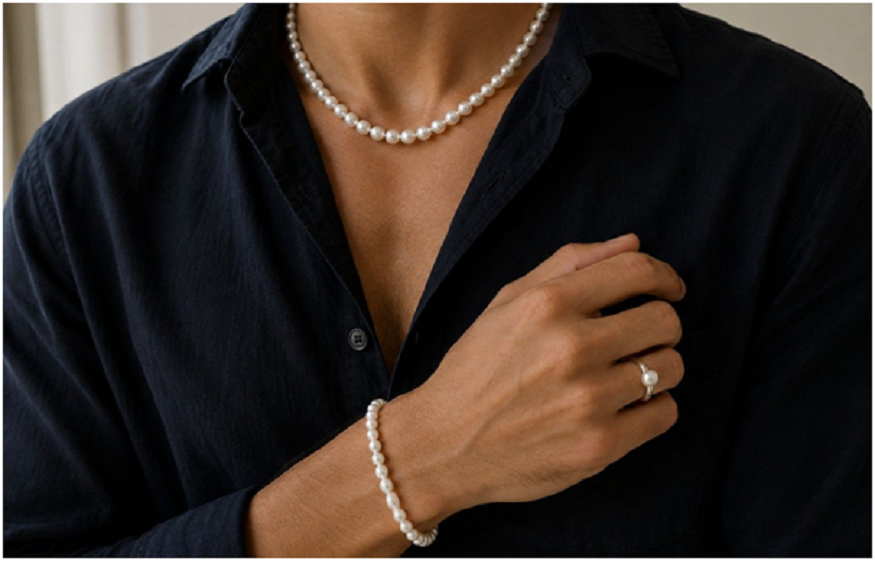
Read More: Why More Men Are Choosing Pearls as Their Signature Everyday Accessory
There are two main reasons why summer weather creates such a mess for your jewelry:
- Diamonds are oil magnets: In the scientific world, diamonds are what you call lipophilic. This means they naturally attract and hold onto grease and oil while pushing water away. Every time you touch your jewelry, sweat in the heat, or apply summer skincare products, oils stick directly to the facets of your stones.
- Heat changes your body: Warm weather causes human fingers and wrists to swell during the day and shrink when you jump into cold water. This constant fluctuation in body temperature makes jewelry fit unpredictably, increasing the chances of losing a piece without even noticing.
When grease and oil coat the bottom and sides of a diamond, light cannot enter and bounce off the internal angles properly. That optical refraction is what creates the famous rainbow brilliance. Once a film of summer sweat and lotion covers the stone, that light gets trapped or blocked, leaving your expensive gems looking like cheap glass.
The Three Worst Summer Culprits
To protect your jewelry collection effectively, you need to know exactly what you are fighting against. Three everyday summer essentials cause the vast majority of seasonal jewelry damage.
1. Sunscreen and Body Lotions
Sunscreen is a nonnegotiable must have for your skin, but it is absolute poison for the appearance of your jewelry. Modern sunscreens, especially waterproof and mineral formulas containing zinc oxide or titanium dioxide, are designed to cling tightly to surfaces so they do not wash off in the water.
When you slather SPF 50 all over your chest and shoulders, a diamond necklace acts like a magnet for that sticky white lotion. The thick cream gets trapped in the tiny crevices behind the stones, inside the chain links, and around the delicate prongs. By the end of the afternoon, that buildup attracts airborne dust and dirt, creating a thick, muddy paste that completely kills the sparkle of your jewelry.
2. Swimming Pools and Chlorine
If you are someone who loves spending every weekend at the pool, you need to pay close attention to this one. Chlorine and household bleach are the absolute worst enemies of gold alloys. Pure gold is too soft to be used in jewelry on its own, so jewelers mix it with metals like copper, nickel, and zinc to make 14k or 18k gold.
Chlorine has a harsh chemical reaction with these copper and nickel alloys. Over time, submerged exposure to pool chemicals causes a phenomenon called stress corrosion cracking. The microscopic structures inside the gold begin to break down and become brittle. Neither chlorine nor ocean salt are safe for your expensive settings. Repeated dips in the pool will eventually make the tiny prongs holding your diamonds so weak that they can snap off with the slightest bump, causing you to lose your precious stones forever.
3. Beach Sand and Saltwater
The beach is a disaster zone for fine accessories. While sand cannot scratch a diamond, it is made of crushed quartz and rocks that are more than hard enough to scratch gold, platinum, and sterling silver. Building sandcastles or digging your hands into the sand will leave your metal shanks looking dull, scraped, and scratched.
Saltwater presents a different kind of danger. Ocean salt leaves a crusty residue on your jewelry as it dries, which can corrode soldered joints over time. More importantly, the cold ocean temperature is notorious for causing accidents. When your body temperature drops in cool ocean water, your fingers shrink drastically, making it way too easy for a diamond ring to slip off unnoticed into the waves. Thousands of people lose rings in the ocean every single July and August because of this exact biological reaction.
How Different Jewelry Pieces Take the Heat
Not all jewelry is worn the same way, which means different items face different hazards while you are enjoying the summer sun. Each of your favorite pieces need special attention depending on where it sits on your body.
Rings Face the Highest Physical Risk
Your hands are super active during summer adventures, putting rings in the line of fire constantly. Gripping cold drinks, playing lawn games, applying bug spray, and gardening all expose your rings to chemicals and impact. Bug sprays containing DEET can actually dissolve certain jewelry resins and damage porous gemstones that might be sitting next to your diamonds.
You should definitely leave your favorite rings safely indoors before going to the beach or doing heavy yard work. If you must wear something on your hands, consider getting a cheap silicone band for outdoor sports and save your real jewelry for evening dinners.
Necklaces Battle Sweat and Tangles
Necklaces sit right on your chest and neck, areas that sweat heavily during humid weather. Sweat contains uric acid and salt, which can tarnish delicate chains and irritate your skin when trapped under metal.
Furthermore, summertime activities often involve active movements, beach towels, and changing into swimwear. A delicate chain can easily get caught in the fabric of a beach towel when you are drying off, leading to stretched links or broken clasps. Make it a habit to remove chains before pulling sunshirts or swim dresses over your head.
Bracelets Take the Brunt of Hard Surfaces
Wristwear takes a massive beating during outdoor gatherings. Whether you are wearing a classic tennis style or a modern bangle, your diamond bracelet faces a lot of physical danger during outdoor summer parties.
Think about how often your wrists bump into things. Resting your arms on rough concrete pool edges, reaching across brick patio tables, or playing volleyball puts your wrist jewelry in direct contact with hard abrasive materials. A hard hit against a stone pool coping can dent platinum settings or crush the delicate mechanical clasps that keep your bracelet secured to your wrist.
Your Step by Step Summer Cleaning Guide
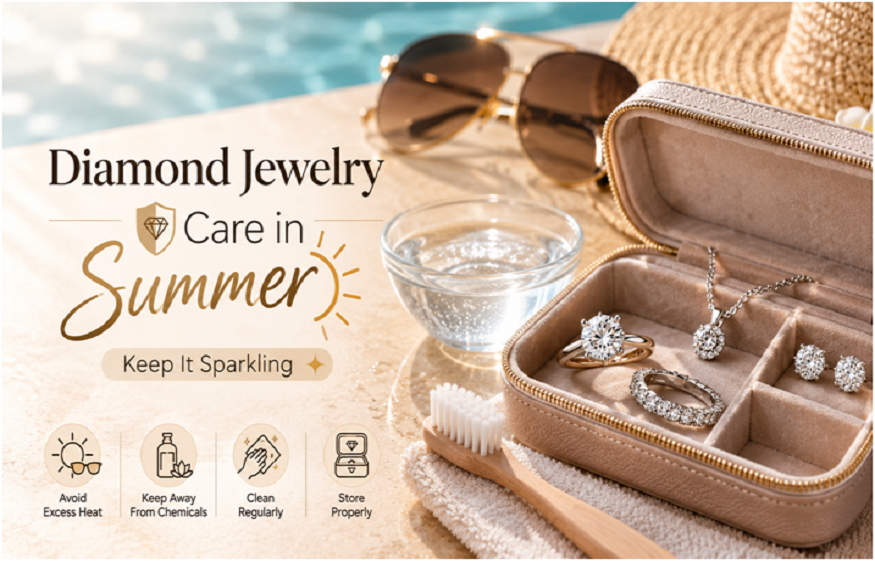
Since you cannot always avoid getting some sweat and sunscreen on your jewelry, knowing how to clean your pieces safely at home is essential. You should aim to give your everyday summer pieces a quick wash every two weeks, because lotion sticks like superglue if you let it sit too long.
Here is the safest and most effective method for cleaning fine jewelry without damaging the metal or loosening the stones.
What You Will Need:
- Two small bowls
- Warm water (never boiling hot)
- Mild liquid dish soap (the classic blue Dawn soap is the absolute best choice)
- A brand new, soft bristled baby toothbrush
- A lint free microfiber cloth
The Cleaning Process:
- Prepare the Soak: Fill your first small bowl with warm water and add a few drops of mild dish soap. Stir the water with your finger until it gets nice and bubbly. Avoid using soaps that contain moisturizers, scents, or exfoliants, as these will just leave another film on your stones.
- Let It Soak: Drop your jewelry into the soapy water and let it sit undisturbed for 20 to 30 minutes. This soaking period is super important because it loosens up the hardened sunscreen, dried sweat, and body oils trapped beneath the gemstone settings without requiring hard scrubbing.
- Gentle Brushing: Take your piece out of the water and hold it firmly. Using the soft bristled baby toothbrush, gently scrub the jewelry. Pay extra attention to the back of the stones, the underside of the setting, and inside any gallery work where lotion loves to hide. Never use stiff bristles, as they can scratch gold and loosen microscopic pavé stones.
- The Clean Rinse: Fill your second bowl with clean, warm water and rinse your jewelry thoroughly to remove all soapy residue. Never rinse your jewelry directly over an open sink drain. If you drop a slippery piece, it could go straight down the pipe. If you must use running water, always put a mesh strainer or a stopper in the drain first.
- Proper Drying: Gently pat your jewelry dry using your lint free microfiber cloth. Do not use paper towels or facial tissues, because paper products contain tiny wood fibers that can leave micro scratches on high polished gold and get snagged on prongs. Let the pieces air dry completely on the cloth before putting them back in your jewelry box.
Common Cleaning Mistakes You Must Avoid
When people see cloudy diamonds after a weekend at the lake, they often panic and reach for whatever harsh cleaning supplies they have under the kitchen sink. This is a massive mistake that can ruin expensive jewelry permanently.
Please avoid these dangerous cleaning myths:
- Never use toothpaste: Toothpaste is filled with tiny abrasives designed to scrub plaque off human teeth. Those abrasives will completely scratch up the finish of your gold and silver metals.
- Say no to bleach and ammonia: While ammonia is found in some commercial cleaners, mixing household chemicals without knowing the exact alloy of your jewelry can cause permanent discoloration and chemical breakdown of the metal.
- Skip boiling water: Some internet hacks suggest boiling jewelry to melt away grease. Extreme temperature changes can actually shock gemstones, causing them to crack or fracture internally. This is especially true if your diamonds have any natural inclusions or if the setting contains other colored gemstones.
- Be careful with ultrasonic machines: Those vibrating water machines are great for cleaning, but they can be dangerous during the summer. If chlorine has already weakened your prongs, the high frequency vibrations of an ultrasonic cleaner can shake loose stones right out of their mountings.
Smart Storage and Travel Tips for Summer Vacations
Summer travel means packing your bags and heading out on adventures, which introduces a whole new set of risks for your favorite accessories. Traveling requires a bit of planning to keep your collection safe from damage and theft.
When packing for a trip, never toss your jewelry loose into a toiletry bag or purse. Necklaces will instantly tie themselves into impossible knots, and diamonds will scratch against each other. Remember, the only thing hard enough to scratch a diamond is another diamond. If you pack two diamond pieces together in the same little pouch, they will scrape against one another and cause chipped edges.
Invest in a dedicated travel jewelry case that features individual padded compartments, ring rolls, and secure necklace snaps. If you are in a pinch, you can actually thread your thin chains through plastic drinking straws and clasp them shut before putting them in your bag. This clever little trick prevents the chain from bending or tangling during transit.
When you arrive at your hotel or vacation rental, immediately locate the room safe. Your high end pieces should live inside the locked safe whenever you are heading out to the beach, the pool, or engaging in outdoor sports. Never leave fine jewelry sitting out on the bathroom vanity or hotel nightstand where it can be easily knocked into the trash or swept up by housekeeping staff.
The End of Summer Professional Checkup
Even if you follow every single piece of advice in this guide and clean your jewelry religiously at home, your pieces still need professional attention when the season wraps up. Summer living is hard on everyday accessories, and microscopic damage is almost impossible to see with the naked human eye.
As summer turns into fall, take your favorite pieces to a local, trusted jeweler for an end of season checkup. Most reputable jewelers offer complimentary cleanings and inspections. They will use a high powered jeweler loupe or microscope to inspect every single prong, checking for metal fatigue, bent claws, or loose stones. They can also give your pieces a professional high pressure steam clean that will blast away any leftover mineral sunscreen trapped deep inside the settings.
Treating your jewelry to a professional inspection once a year is the single best way to prevent heartbreaking losses. A jeweler can easily tighten a loose prong or reinforce a thin shank for a few dollars, saving you from the immense financial and emotional cost of replacing a lost diamond.
By understanding how summer heat, chemicals, and outdoor activities impact your fine jewelry, you can enjoy all your favorite warm weather activities without stressing about your accessories. Give your sparkly treasures a little extra love and care this season, and they will continue to catch the summer sunlight beautifully for years to come.